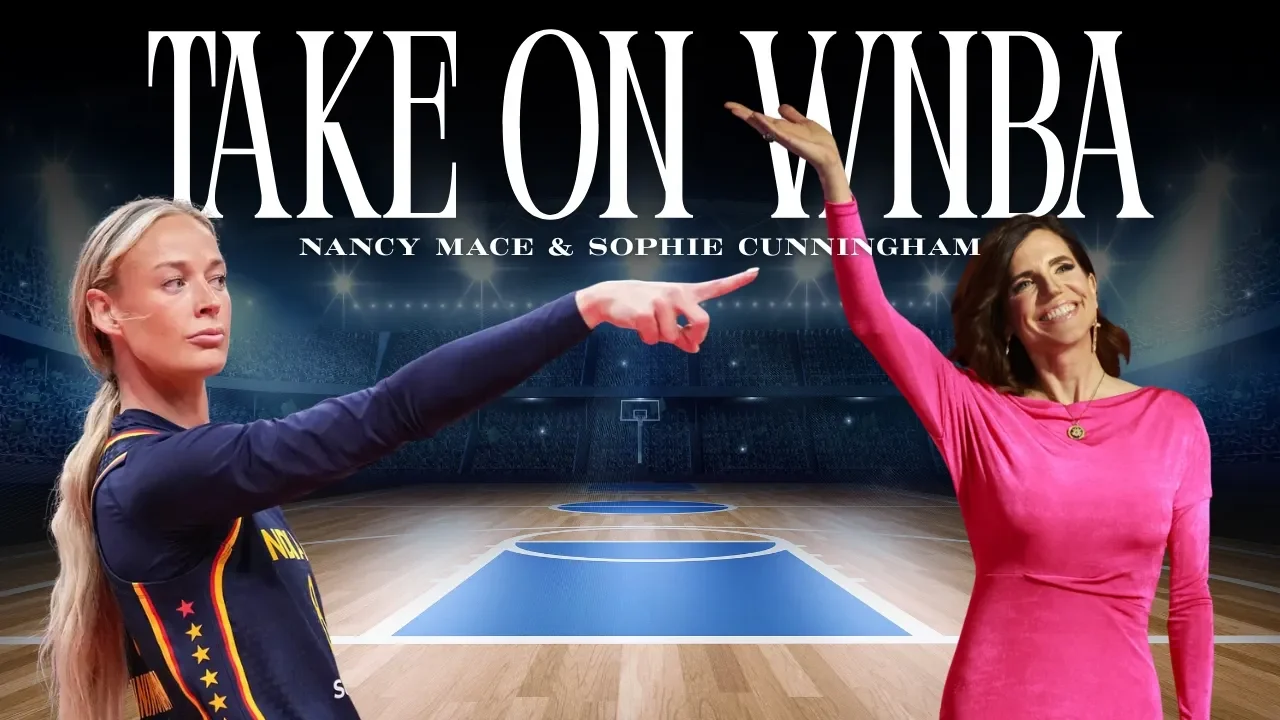
Nancy Mace and Sophie Cunningham SLAM WNBA: "I said what I said"
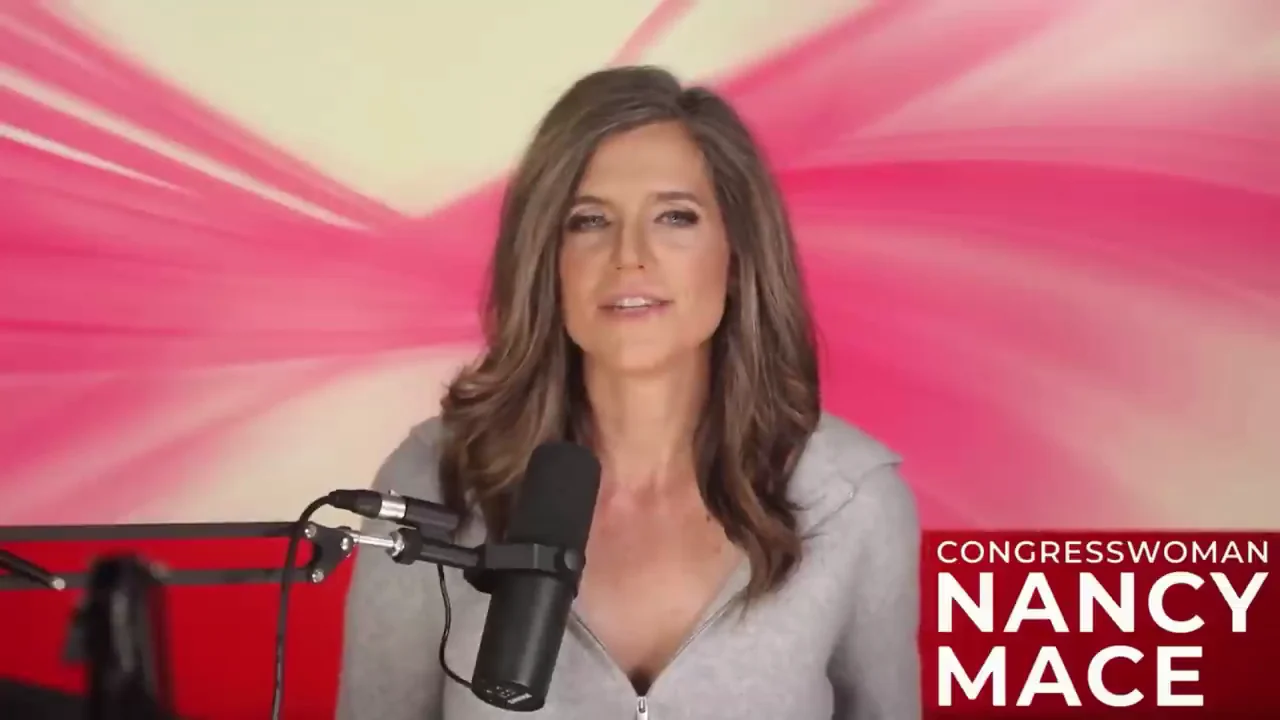
[00:00] I want to help the WNBA with something totally free of charge.
[00:04] WNBA. Four letters. Let's take a look at them one by one. W is for women. That's it. You can stop watching now. Except apparently we need to keep going because there are four head coaches in the league who cannot get past the first letter. Four in a four-letter league. One says inclusion includes trans women. One wore a t-shirt about it to a game, which respect, because that t-shirt is the most detailed policy statement anybody in the league has ever issued. A t-shirt. One said his focus on it is on just being a basketball coach, which honestly, most coherent answer of the bunch. The guy knows his name. And the fourth is Sophie Cunningham's own coach, Stephanie White, who says she's not educated enough on the science to have an opinion on what a woman is. Ma'am, you are one, and you've had a lifetime to study. It's also the first word in the name of the organization that signs their paychecks.
[01:07] They're not being asked to perform surgery here. They're being asked a question on the bathroom door, and they failed. But here's the thing. The league already answered this in writing in March. The WNBA's contract with its players, 409 pages, Article 13, Section 1, and I'll read it exactly as written, quote,
[01:27] where women are eligible to play in the WNBA. Their words, not mine. Now, 409 pages, a room full of lawyers billing by the hour, and some were in there. They found time to define rookie. They found time to define the word veteran, the word team. They even defined, quote, regular season, in case anybody got confused about which season was the, quote, regular one. Nobody had the courage to define woman. The words transgender, gender identity, gender identity, and gender identity don't appear in there at all. 409 pages, and the subject never comes up. So that's not an oversight. So reporters went and asked. They asked the league. They asked the players union. Their entire existence is representing women. And one question, what is a woman? Nothing but silence. Hell, Tim Walls answered the question better in an oversight hearing than any of them. So their position is only women can play in the WNBA, but nobody can define what one is. Total oxymoron.
[02:27] That's like saying jumbo and shrimp in the same sentence. And I know a little something about an institution that had to decide whether women counted. The Citadel spent 150 years working that out. And when they finally did, they passed with flying colors because they weren't confused. And they'll tell you in the WNBA, this is all hypothetical. It's never happened before. Great, even better, it never should. So then writing what a woman down is should cost them nothing. They're telling us it's not a problem, but also can't spare a word to defend. So, um, the question, what's going on, you're wondering, what's going on in the world? What's going on in, in the world? What do you say? Well, this is a story that was born for a reason. It's a story that was born to define a real biological woman. One woman did answer and they came for her. Sophie Cunningham said girls shouldn't have to compete against biological men. She got called a stain on society. She got called a racist because apparently being pro woman now means you hate black people. Four coaches lined up to explain why she was wrong. And when they asked her to walk it back, Sophie Cunningham's response, I said what I said. I mean, I think I said what I said. I think it's kind of common sense.
[03:28] Um, and I think I'll always believe in that. I think it's really important to protect children. Um, and that's, uh, little girls, uh, who are also involved in that category. And so, um, I, I stand on what I said and, um, I always believe that. Good. Women fought for that W. Title IX put it into law and 50 years of athletes built it into something worth paying to watch on TV. And every single one of them was a woman. A Waffle House placemat is a better legal document than the WNBA contract because a category you can't define is a category you can't defend.